

Major League Soccer has experienced a transformative partnership with Apple TV since 2023, bringing unprecedented accessibility to fans across the globe. However, recent developments suggest the league is making a significant shift in its broadcast strategy. According to multiple sources, MLS is scrapping the Season Pass model as we know it for the upcoming 26th season, a move that could fundamentally change how supporters consume their favorite sport. This change has sparked considerable discussion among fans and pundits alike, especially as we look toward the future of soccer broadcasting in North America.
The End of an Era: Why MLS is Moving Away from Season Pass
The current MLS Season Pass model, exclusively available through Apple TV, was initially hailed as a revolutionary step for the league. It offered every single match without local blackouts, a first in American sports history. Yet, as the league approaches its 26th season, internal and external feedback has led to a reassessment. The primary drivers behind this decision include low subscriber numbers compared to projections and a desire to boost mainstream visibility. By moving away from a fully paywalled ecosystem, MLS aims to capture casual fans who were hesitant to commit to an additional subscription.
Industry analyst James Whitaker explains, “The exclusive model provided great consistency but limited viral moments. When casual audiences can’t stumble upon a game without paying, growth stagnates. MLS needs to balance premium content with broader free access to build its next generation of fans.”
What Will the New Broadcast Structure Look Like?
While official details remain scarce, insiders suggest a hybrid approach for the coming season. Baji Live has learned that the league is likely to retain a partnership with Apple TV but will introduce a free tier for select matches. This could mean that every matchday will feature a “Free Game of the Week” accessible without a subscription. Additionally, there are strong indications that traditional linear television partners may return to the fold for marquee matches, including rivalry games and playoffs.
Free Matches and Accessibility
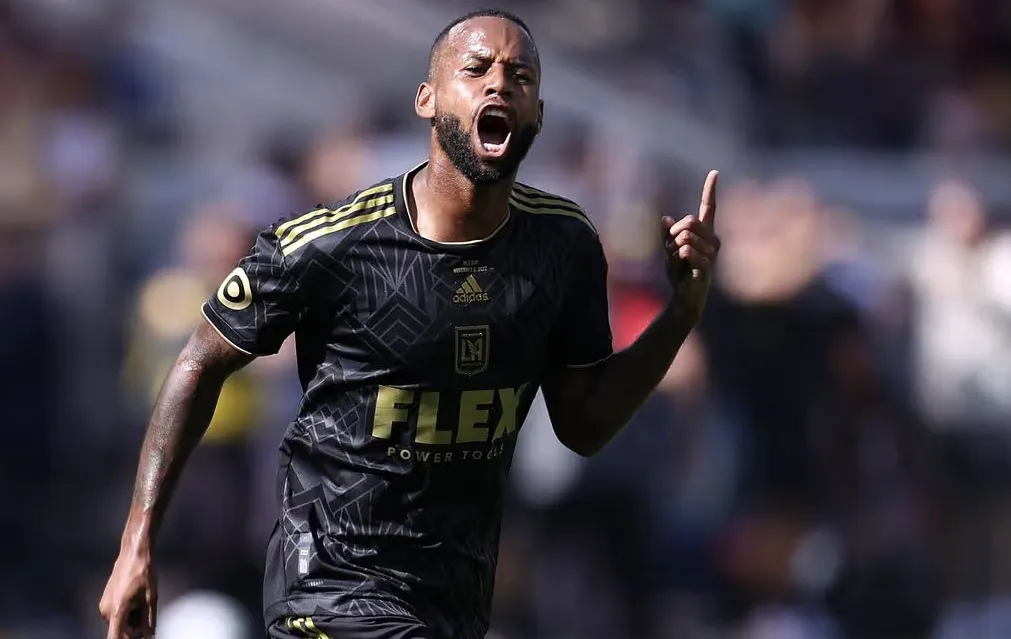
The most consumer-friendly change will likely be the significant expansion of free-to-air content. Baji Live reports that fans can expect certain high-profile matchups to be available on traditional cable networks or through a no-cost Apple TV channel. This strategy mirrors that of other global leagues, which understand that visibility drives long-term engagement. For new fans, simply being able to flip on a Saturday night game without navigating an additional paywall is crucial for organic growth.
Premium Content Remains
For the hardcore fan, a reduced-cost subscription tier will still exist. This “MLS Insider” package, as some insiders are calling it, would provide access to every out-of-market game, exclusive behind-the-scenes content, and enhanced statistical overlays using real-time data. This creates a win-win: casual fans get the door opened for free, while the most dedicated supporters continue to enjoy a comprehensive experience.
Impact on Fans and Club Communities
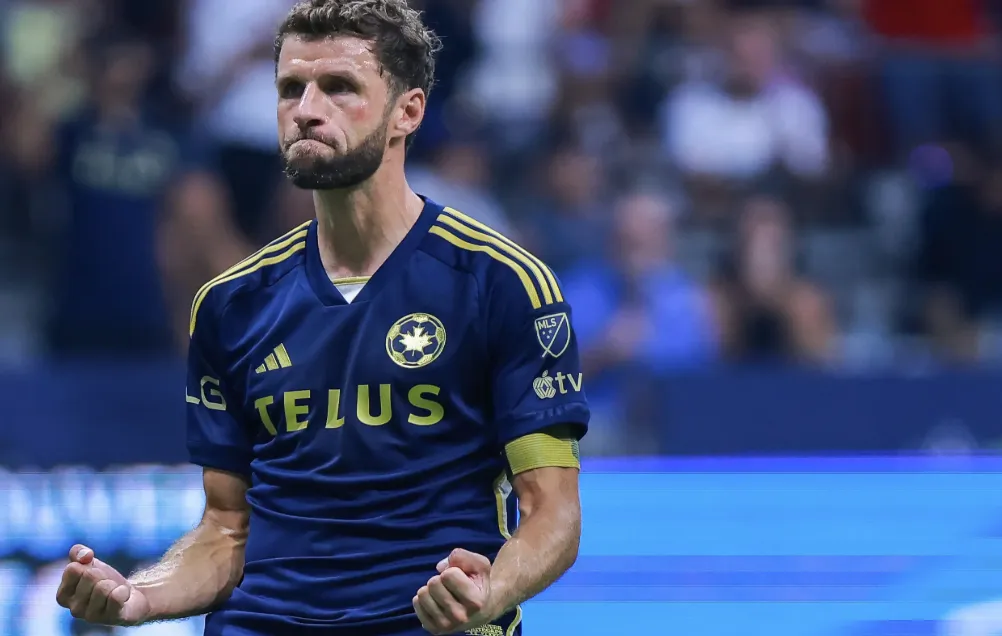
This structural change is expected to have a profound impact on local fan communities. One of the biggest criticisms of the previous model was the disconnection it created between local supporters and their clubs. Long-time fans in cities like Portland, Seattle, or Atlanta often felt isolated without their pre-game and post-game regional shows. The new model could reverse this trend.
Reviving Local Broadcasting Flavor
As MLS moves to scrap the old Season Pass structure, we could see a return of local pre-game programming. This is vital for storytelling. Analyzing a team’s tactical setup or a coach’s new formation is best done in a local context. For instance, a fan in Austin would prefer deep dives into Verde’s squad rotation rather than league-wide content. A hybrid model allows for both local flavor and global reach.
The Price Point Discussion
Pricing remains a sensitive subject. The previous season pass carried a significant cost, which was a barrier for many. Sources suggest the new pricing structure will be significantly more agile. Expect to see options for single-match purchases, weekend passes, and a season-long tier at a substantially lower starting price than before. This flexibility acknowledges that fans consume sports differently today, often paying for specific events rather than a full season.
Strategic Analysis: What This Means for the League’s Growth
From a strategic standpoint, MLS is acknowledging a hard truth: exclusivity can stunt growth. The partnership with Apple provided incredible production quality and stability, but it failed to penetrate the cultural consciousness as expected. By pivoting, MLS is adopting a more market-driven approach.
Competing with Global Leagues
Soccer fans in the United States are notoriously loyal to European leagues. To compete, MLS needs to make itself as easy to watch as the Premier League or La Liga. The new strategy aims to reduce friction. If a fan can watch a Barcelona game on Saturday and a New York City FC game on Sunday with minimal extra cost, MLS wins a new viewer.
Data-Driven Decision Making
The league has utilized data from the past two seasons to understand viewing habits. They discovered that while total minutes watched were high, new subscriber acquisition plateaued. This indicates that the existing fans were loyal, but the funnel for new fans was broken. The decision to scrap the all-inclusive Season Pass is a direct response to this data.
Predictions for the 26th Season Kickoff
Looking ahead to the 26th season, we can predict several key outcomes based on these changes. First, overall viewership numbers are likely to spike due to increased accessibility. Second, there will be a noticeable shift in social media conversation, as more free content allows for better clip sharing and highlight distribution.
Expected Timeline for Announcement
Industry experts predict an official announcement within the next four to six weeks. The league typically announces significant broadcast deals during the offseason to allow marketing teams to prepare campaigns. Fans should keep an eye on MLS’s official channels for the first concrete details regarding which games will be free and which will require a premium subscription.
What Clubs are Saying
Privately, club executives are thrilled. Many felt the previous model limited their ability to engage with local corporate partners who wanted traditional TV exposure. With the new model, sponsorship deals become more valuable because the matches reach a broader, more diverse audience. This financial injection from local markets could lead to increased spending on player salaries and academy development.
How to Stay Updated on the Changes
For fans eager to follow these developments, staying connected to Baji Live and your club’s official website is the best strategy. The landscape of soccer broadcasting is changing rapidly, and MLS is at the forefront of innovation. Whether you are a die-hard supporter who watches every game or a casual observer looking for something new to enjoy, these changes are designed with you in mind.
The decision to scrap the current Season Pass model is a bold one, but it reflects a mature understanding of the modern sports market. Accessibility, flexibility, and community connection are the new priorities.
In conclusion, MLS and Apple TV scrapping Season Pass for the 26th season marks a pivotal moment for American soccer. By opening up more content to a wider audience, the league is betting on long-term growth over short-term subscription revenue. This creates a more vibrant, connected fan base and ensures that the beautiful game continues to thrive in North America. What are your thoughts on this major broadcasting shift? Share your opinions in the comments below and let us know which matches you are most excited to watch with free access next season!
