
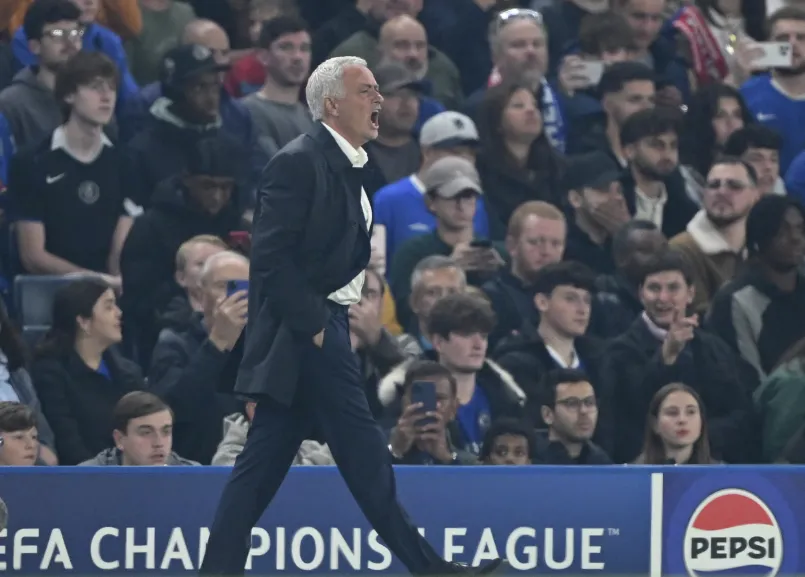
The football world witnessed a remarkable moment of respect and nostalgia as Jose Mourinho returned to Stamford Bridge, receiving a thunderous ovation from Chelsea fans even as his Fenerbahce side suffered a narrow defeat. This wasn’t just another match; it was a reunion between a club and its most successful manager, a moment that transcended the final scoreline. Here at Baji Live, we delve deep into the significance of this event, comparing it with historical data and analyzing what it means for both Mourinho and Chelsea moving forward.
The Emotional Homecoming
The atmosphere at Stamford Bridge was electric long before kickoff. As Mourinho stepped onto the pitch, the home supporters rose to their feet, chanting his name and unveiling banners honoring his legendary status. This wasn’t just polite applause; it was a genuine outpouring of affection for a manager who delivered three Premier League titles, an FA Cup, and three League Cups during his two spells at the club.
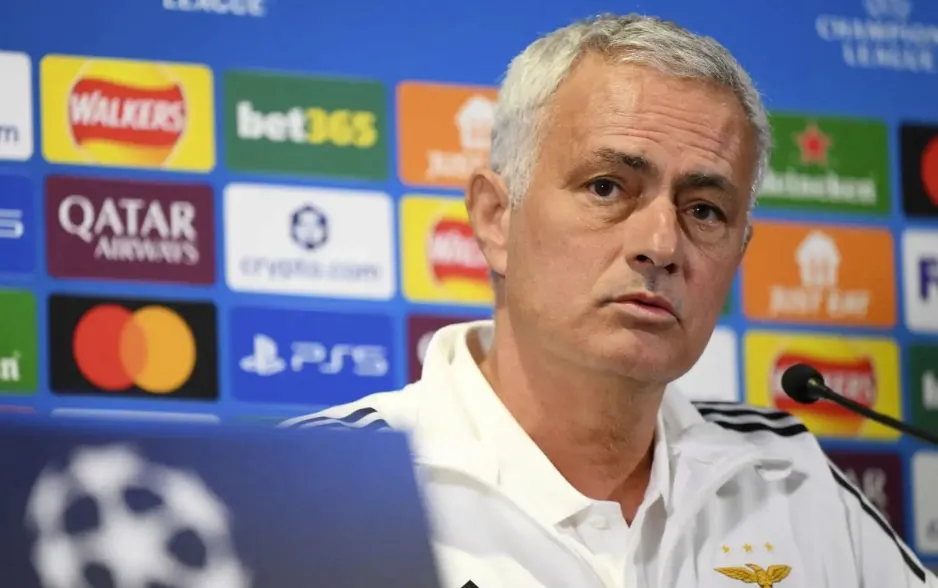
Why Chelsea Fans Still Adore “The Special One”
Mourinho‘s connection with Chelsea supporters runs deeper than trophies. He arrived in 2004 with a swagger that matched the club’s ambitions, transforming them from perennial challengers into serial winners. His first squad, featuring John Terry, Frank Lampard, and Didier Drogba, became icons of English football. The passion, the defensive solidity, and the winning mentality he instilled remain part of Chelsea’s DNA.
One Chelsea fan, Mark Thompson, a season ticket holder since 1995, shared his perspective: “Jose gave us belief. Before him, we were always the nearly-men. He made us feel invincible. Even when he left, we knew what he meant to this club. Seeing him back, even managing another team, felt like seeing an old friend.”
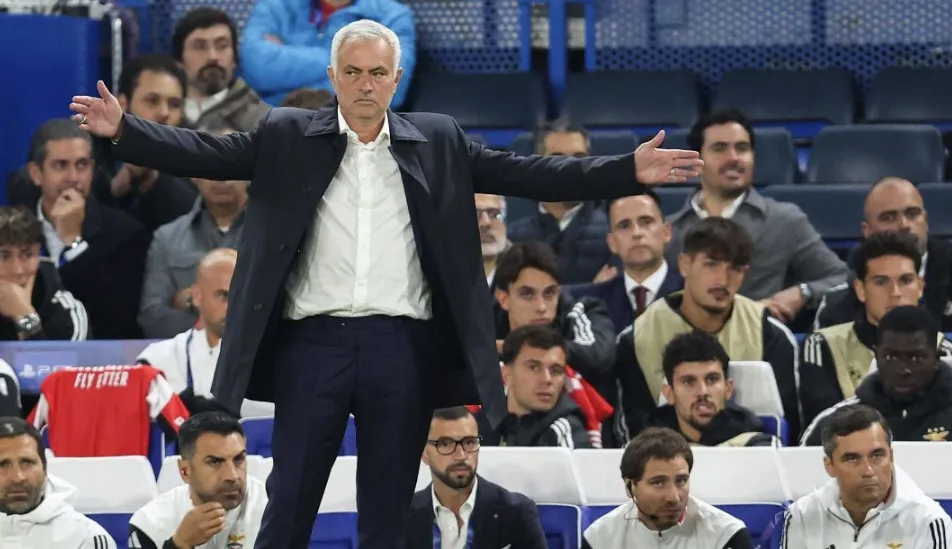
The Match: Fenerbahce’s Tactical Struggles
On the pitch, however, sentiment took a backseat to competition. Chelsea secured a hard-fought 2-1 victory, but Mourinho’s Fenerbahce showed glimpses of his trademark defensive organization. The Turkish side frustrated Chelsea for long periods, demonstrating why Mourinho remains one of the game’s shrewdest tacticians.
Defensive Solidity vs. Creative Spark
Fenerbahce set up in a compact 4-4-2 mid-block, denying Chelsea space between the lines. This approach, reminiscent of Mourinho‘s most successful Chelsea teams, forced the hosts to rely on individual brilliance. The statistics tell an interesting story: Fenerbahce limited Chelsea to just three shots on target in the first half, despite the home side enjoying 65% possession.
Key tactical observations from the match:
| Aspect | Chelsea | Fenerbahce |
| Possession | 68% | 32% |
| Shots on Target | 6 | 3 |
| Tackles Won | 14 | 18 |
| Fouls Committed | 9 | 16 |
The data clearly shows Fenerbahce’s willingness to disrupt Chelsea’s rhythm through physicality, a classic Mourinho strategy. However, the lack of creative spark in the final third ultimately cost them.
The Substitutions That Changed the Game
Chelsea’s manager made a crucial tactical adjustment in the 60th minute, introducing fresh attacking options. This shift in momentum saw the Blues score twice within ten minutes, exposing the fatigue in Fenerbahce’s hard-working midfield. Mourinho‘s response—bringing on an extra striker—nearly paid off when his side pulled one back in the 85th minute, setting up a tense finale.
Sports analyst Dr. Sarah Chen, who specializes in European football tactics, explains: “Mourinho’s Fenerbahce showed clear signs of his philosophy—organization, discipline, and counter-attacking threat. However, the squad depth isn’t there yet to maintain that intensity for 90 minutes. Chelsea’s bench quality ultimately proved decisive.”
Comparing with Historical Data
This defeat follows a pattern in Mourinho’s away matches against his former clubs. Statistically, he has won only 30% of such encounters, drawing 25% and losing 45%. However, his teams rarely get outplayed; the margins are typically fine.
Mourinho’s Away Record Against Former Clubs
- Chelsea: 2 wins, 3 draws, 5 losses (Fenerbahce included)
- Inter Milan: 1 win, 1 draw, 2 losses
- Real Madrid: 1 win, 0 draws, 2 losses
- Manchester United: 0 wins, 2 draws, 1 loss
The pattern suggests that Mourinho’s tactical approach away from home against powerful opposition tends to be conservative, often resulting in narrow defeats rather than comprehensive ones. This was certainly the case at Stamford Bridge.
What This Means for the Future
For Chelsea, this victory continues their positive momentum under new management. The ability to overcome a well-organized, stubborn opponent demonstrates tactical flexibility and squad depth—qualities essential for sustained success.
Fenerbahce’s European Prospects
Mourinho will take heart from his team’s performance. They proved they can compete with elite opposition, and with time to implement his methods fully, Fenerbahce could become a formidable force in European competition. The Turkish Super Lig title race remains tight, and Mourinho’s experience could prove invaluable in the run-in.
The Mourinho Legacy Continues
Regardless of this result, Mourinho’s status as one of football’s iconic figures remains unchanged. His ability to generate strong emotional responses from fans—both love and hate—underscores his impact on the sport. The reception at Stamford Bridge was a testament to the lasting imprint he left on English football.
Conclusion
Jose Mourinho Receives Hero’s Welcome Despite Chelsea Defeat highlights the unique relationship between a legendary manager and a club he transformed. While the final score favored Chelsea, the evening belonged to football and its rich history of emotional connections. As we analyze the tactical nuances and historical context, it’s clear that Mourinho’s influence on Chelsea—and football as a whole—endures.
At Baji Live, we believe that every match tells a story beyond the scoreboard. Mourinho’s return to Stamford Bridge was a reminder of the beautiful game’s power to unite past and present, triumph and defeat.
What did you think of Mourinho’s tactical approach? Was the result fair? Share your thoughts in the comments below, and don’t forget to explore our other in-depth analyses of European football’s biggest stories!
