

The football world is already buzzing with anticipation for the 2026 FIFA World Cup, a tournament that promises to be unlike any other. For the first time in history, 48 nations will compete for the most coveted trophy in sports, co-hosted by the United States, Canada, and Mexico. As we edge closer to the final event, one of the most critical milestones on the road to glory is the official tournament draw. This event will set the stage, create rivalries, and map out the path to the final. For fans looking to stay ahead of the curve, understanding the intricacies of this draw is essential, and Baji Live is your go-to source for breaking down all the complex details into simple, exciting previews.
This article provides a comprehensive explainer on the 2026 World Cup draw, covering the date, the revolutionary new format, how seeding will work, and what it all means for the teams involved. We’ll look at the historical context of previous draws and offer expert predictions on the potential matchups that could define the tournament.
Understanding the New 48-Team Format
The most significant change for the 2026 World Cup is the expansion from 32 to 48 teams. This isn’t just a simple increase in numbers; it fundamentally alters the structure of the competition. The new format introduces a unique group stage that will change how fans watch the tournament.
How the Group Stage Will Work
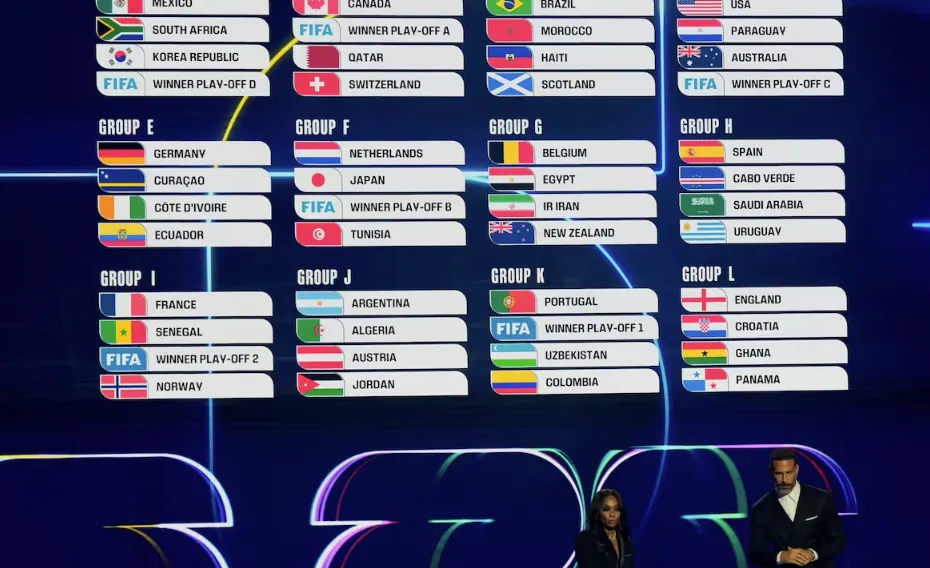
Instead of the traditional eight groups of four, the 2026 World Cup will feature 12 groups of four teams each. From these 12 groups, the top two teams (a total of 24 nations) will advance directly to the knockout stage. But that’s not all. To complete the Round of 32 bracket, the eight best third-placed teams across all groups will also qualify.
“This format adds a layer of strategic complexity we haven’t seen before,” says Michael Torres, a renowned football strategist and former analyst for FIFA. “Teams finishing third in their group will be watching other groups like hawks, calculating goal differences and results to see if they can sneak through. It creates a mini-league within the league phase.”
This means the group stage will be more dramatic than ever. A team that loses its first two matches but wins the third could still have a mathematical chance to advance, keeping the tension alive until the very last kick.
Date and Location of the 2026 World Cup Draw
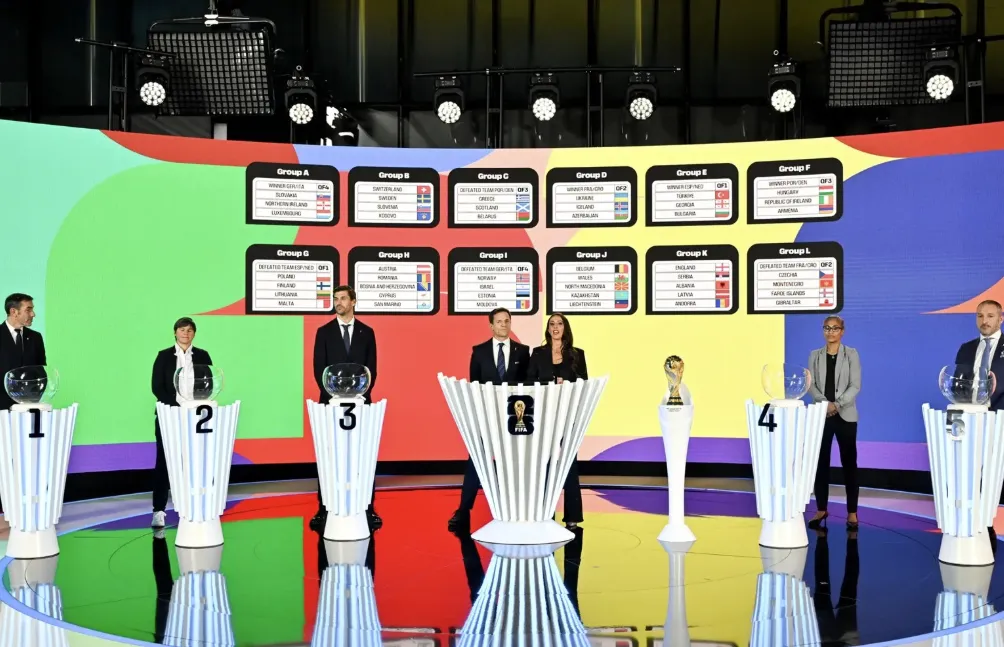
While an exact time has yet to be confirmed, the 2026 World Cup draw is expected to take place in early 2026. Traditionally, FIFA holds these ceremonial draws about a year before the tournament begins. Given the co-hosting arrangement, the draw is likely to be held in a major city within one of the host nations—possibly Los Angeles, New York, or Mexico City—to maximize media coverage and fan engagement.
The draw event will be a spectacle in itself, featuring former World Cup winners, celebrities, and extensive global broadcast coverage. We will provide updates on the official date and time as soon as FIFA confirms them. This draw is not just about picking names out of a pot; it’s a massive marketing event that sets the narrative for the next year.
How Seeding and the Draw Pot System Will Work
Seeding for the 2026 World Cup will follow a familiar but adapted structure based on the FIFA World Rankings. The draw will consist of four pots, each containing 12 teams. The pots are determined by the teams’ rankings, ensuring a relatively balanced distribution of strength across the groups.
Pot 1: The Top Seeds
Pot 1 will contain the top 12 teams according to the FIFA rankings. This pot is crucial because it determines the “group winners” before a single match is played. Teams in Pot 1 avoid each other in the group stage, theoretically giving them an easier path to the Round of 32. This includes the three host nations (USA, Canada, Mexico), who are automatically placed in Pot 1 regardless of their world ranking.
Pots 2, 3, and 4
The remaining 36 teams will be divided into Pots 2, 3, and 4 based on their ranking. As each team is drawn from Pot 1 to Pot 4, the groups will be filled sequentially. The goal is to create groups that have a mix of top-tier nations, solid contenders, and emerging football nations, ensuring competitive balance.
For example, a Group A might look like this:
- From Pot 1:Argentina (as a top seed)
- From Pot 2:Germany
- From Pot 3:Saudi Arabia
- From Pot 4:Jamaica
This creates a “Group of Death” scenario, which is exactly what everyone hopes to see in a World Cup draw.
Potential Impact on Favorites and Underdogs
The expanded format is a double-edged sword. For traditional powerhouses like Brazil, France, and Argentina, it means a larger pool of points to collect in the group stage, but also a longer tournament to navigate. For underdogs, the expansion is a golden opportunity. It gives more nations from Africa, Asia, and the CONCACAF region a real shot at deep runs.
“The 48-team format is a revolution for football development,” explains Sarah Jenkins, a sports journalist. “It gives countries like Vietnam, Uzbekistan, or even a team like New Zealand a real reason to believe. They see that if they can just be top three from their group, they are in the Round of 32. It’s a massive motivator.”
Experts predict that we will see more first-time goalscorers, more giant-killing acts, and more memorable underdog stories than in any previous World Cup.
Expert Predictions for the Draw
By analyzing the current FIFA rankings and understanding the pot system, we can begin to simulate some mouthwatering potential matchups.
Potential “Group of Death” Scenarios
A classic “Group of Death” would involve three heavyweights from different confederations. Imagine:
- Group H:Spain (Pot 1), Uruguay (Pot 2), Croatia (Pot 3), and Morocco (Pot 4).
This group would be incredibly competitive, with every team having a legitimate claim to advance.
Path to the Final
The draw will also determine the bracket for the knockout stage. The top and second-placed teams from specific groups will be slotted into predetermined paths. The geography of the tournament is also a factor. The United States will host the majority of the matches, meaning groups based in the West Coast will have different travel demands than those in the East Coast. Teams will need to factor in travel time and climate differences.
Key Teams to Watch in the Draw
- USA (Hosts):As a Pot 1 team, they will avoid the absolute giants, but they could still face a tricky second pot team like Netherlands or Japan.
- Morocco (Pot 3):After their historic semi-final run in 2022, they are a team no one wants to face. They could easily cause an upset in any group.
- Canada (Hosts):Making their second appearance in 36 years, Canada will aim for a successful draw. They have a strong core of players but will need favorable matchups to advance.
Conclusion: The Countdown Begins
The 2026 World Cup draw is more than just a procedural event; it is the moment when the dream of lifting the trophy becomes tangible for 48 teams. The new format, with its 12 groups and 32-team knockout round, creates a landscape of unprecedented opportunity and complexity. For every fan, analyst, and player, this draw will be the starting line for a journey that will define a generation of football.
We invite you to stay tuned to Baji Live for the latest updates, detailed analysis, and live coverage of the draw. The road to the final starts here. What matchups are you hoping to see? Share your thoughts in the comments below and let the debate begin
