

In a groundbreaking move that prioritizes fan loyalty and financial accessibility, Premier League clubs have collectively agreed to extend the current cap on away ticket prices for three more seasons. This decision, which marks a significant milestone in modern English football, ensures that supporters will continue to pay no more than £30 for their matchday tickets when traveling to support their team on the road.
The agreement, which builds on a policy first introduced in 2016, represents a rare moment of unity among the top-flight clubs. For years, the escalating costs of attending football matches have been a hot-button issue, particularly for dedicated away fans who often spend hours on the road and significant sums on travel. This new deal reinforces the league’s commitment to making the beautiful game more accessible, a sentiment echoed by supporters’ groups and club executives alike.
The Journey to a Fairer Deal: How the Cap Has Evolved
The initial away ticket price cap was implemented as a response to widespread fan protests during the 2015-2016 season, when the cost of following a team on the road was spiraling out of control. At that time, some clubs were charging over £50 for a single away match, a figure that many argued was pricing out the very supporters who create the atmosphere at stadiums.
The Original Agreement and Its Impact
The original deal saw clubs voluntarily limit away tickets to £30 for a three-year trial period. The results were immediate and positive. Attendance at away matches increased, the atmosphere in stadiums improved, and the financial burden on traveling supporters was significantly reduced. The cap was extended in 2019 and then again in 2022, but each time there were concerns about whether the agreement would hold in the face of rising operational costs and inflation.
This latest extension, however, has been met with universal approval. Baji Live has highlighted how this policy aligns with the broader global trend of fan-centric initiatives, ensuring that the sport remains a source of community and joy rather than a purely commercial enterprise.
The Financial Perspective: Balancing the Books
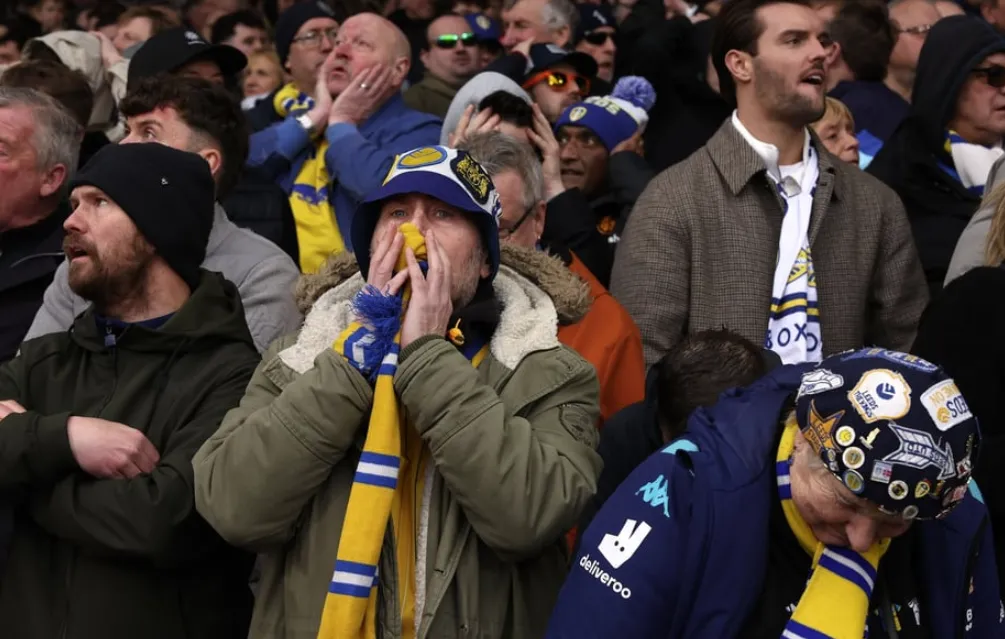
While the cap might seem like a financial concession for clubs, many have recognized its long-term value. “This isn’t just about charity; it’s about investment in the future of the game,” explains James Henderson, a sports finance analyst at a leading London consultancy. “Loyal away fans are the lifeblood of the sport. They create the atmosphere, they travel through rain and shine, and they are the most resilient customers a club can have. Losing that demographic would be catastrophic for the product.”
The agreement has been carefully structured to allow clubs to explore alternative revenue streams, such as enhanced hospitality packages and improved in-stadium experiences for home fans. This balanced approach suggests that clubs are now viewing the cap not as a restriction but as a sustainable part of their business model.
What This Means for the Fans: Stories from the Terraces
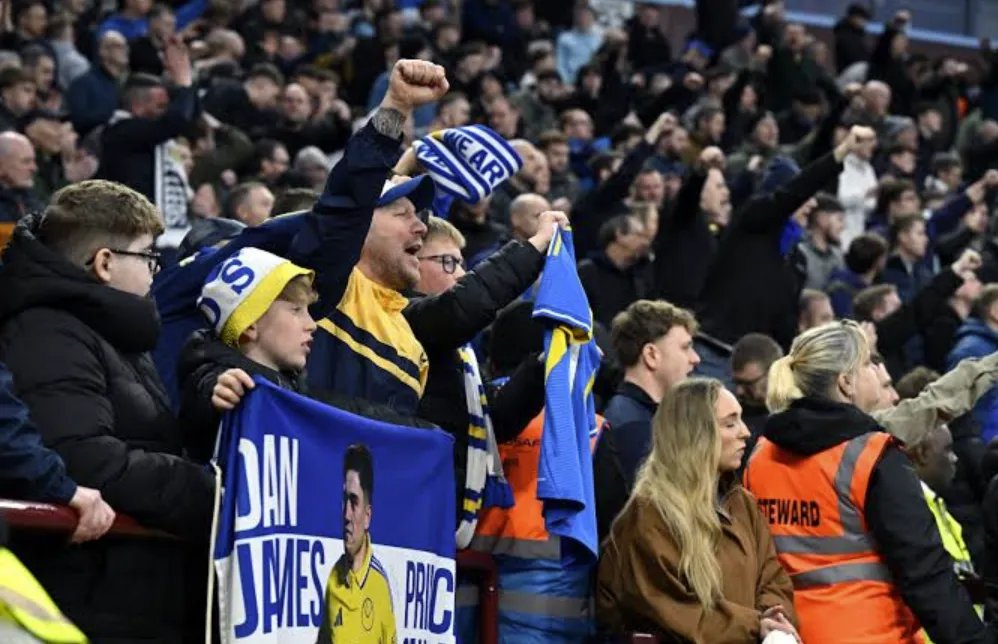
For dedicated traveling supporters, this news is a lifeline. Mark Thompson, a 34-year-old Manchester United fan from London who attends most away matches, shared his perspective. “I don’t just watch the match; it’s a whole day out. It’s the travel, the pub before the game, the songs, and the camaraderie. When the cap was introduced, I could finally afford to go to more games without breaking the bank. It is still expensive with travel and food, but the ticket price is no longer a deal-breaker.”
The psychological impact also cannot be understated. Knowing that the price is fixed and predictable allows fans to plan their seasons better. It removes the anxiety of checking ticket prices for each fixture and enables supporters to focus on what truly matters: the match itself.
The Role of Travel in Away Days
Despite the ticket price freeze, the overall cost of an away day remains a concern. Train fares, petrol costs, and in some cases, overnight accommodation, have all risen sharply. Fan groups are now turning their attention to these ancillary costs, urging the Premier League and the government to address the wider affordability of attending live football.
This development has been widely discussed on platforms like Baji Live, where analysts agree that the next frontier in fan accessibility will involve tackling travel logistics and pricing. “The ticket cap is a fantastic start, but it is not the finish line,” notes community spokesperson Sarah Jenkins. “We need to see partnerships with transport providers and better scheduling to make the entire experience viable for the average fan.”
A Deep Dive into the Strategy: Unity in Modern Football
The unanimity of the vote is perhaps the most striking aspect of this announcement. In a league often characterized by fierce competition and commercial rivalry, finding common ground on such a potentially divisive issue is remarkable.
The Role of the Premier League Executive
The Premier League’s executive team played a pivotal role in brokering this deal. By presenting clear data on the benefits of the cap—from improved stadium ambiance to increased merchandise sales at away grounds—they were able to align the interests of the clubs with those of the supporters. This collaboration sets a new precedent for how the league can tackle other pressing issues, such as the congestion of the football calendar and the financial sustainability of the lower divisions.
What the Experts Are Saying
We spoke to former professional player and current pundit, Michael Carrick, who offered a player’s perspective. “Away fans make the game. When you walk out onto the pitch and see that corner of the stadium bouncing, it lifts the entire team. To know that the people in those stands aren’t being financially gouged just to be there? That feels right. It feels like football.”
This sentiment is widely echoed by managers and players alike, who frequently cite the role of loud, passionate away support in turning the tide of a difficult match.
The Future of Away Support and Stadium Experience
Looking ahead, the extension of the price cap opens the door for further innovations. Clubs are increasingly recognizing that the matchday experience extends beyond the 90 minutes on the pitch.
Enhancing the Matchday Journey
With ticket prices stabilized, clubs can focus on improving the other facets of an away trip. This includes better access to live streams for delayed travel, more organized fan zones at away stadiums, and improved digital services for ticket allocation. The goal is to create a holistic experience that values and respects the fan’s journey from the moment they leave home.
Data-Driven Decision Making
The Premier League’s decision was also bolstered by data. Stadium occupancy rates, fan satisfaction surveys, and travel pattern analysis all pointed to the success of the cap. This data-driven approach to fan welfare is a positive sign for the future, indicating that supporter concerns are being taken seriously at the highest levels of the game.
Conclusion: The Price Cap is a Model for the Football Future
The agreement to extend the away ticket price cap is a monumental achievement for fan representation in English football. By capping prices at £30, the Premier League has sent a clear message: the sport is nothing without its supporters. The decision not only protects the right of the traveling fan to follow their team but also enhances the very fabric of the league’s entertainment value.
As we move towards the 2025-2026 season and beyond, this news serves as a reminder that football’s most valuable asset is its community. The chants, the banners, and the unwavering loyalty of the away support are what define the Premier League as the most vibrant football competition in the world. While the battle for affordability is not entirely won, this three-year extension provides a stable foundation for the future.
What are your thoughts on this decision? Have you ever been priced out of an away game? Share your experiences in the comments below, and don’t forget to explore more fan-centric analyses and matchday stories across our platform.
