
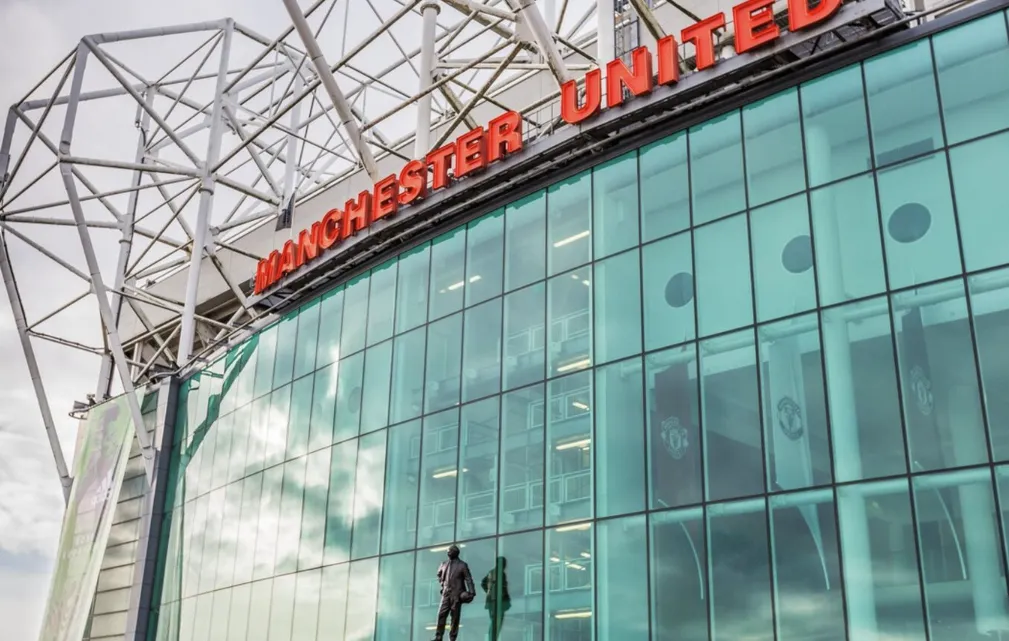
The world of football finance is constantly evolving, and Manchester United finds itself at the center of another intriguing development. Reports have emerged suggesting that the club’s current shirt sponsor, Snapdragon, has expressed interest in acquiring the naming rights to Old Trafford. This potential move could reshape one of football’s most iconic venues and represents a significant shift in how Premier League giants monetize their assets. Let’s dive into what this news means for the Red Devils, their historic stadium, and the broader implications for club branding and revenue streams.
The Current Sponsorship Landscape at Manchester United
Snapdragon’s Expanding Role
Qualcomm’s Snapdragon brand became Manchester United’s principal shirt sponsor in 2024, signing a multi-year deal reportedly worth around $225 million. This partnership was seen as a strategic move to increase brand visibility in the global football market. Now, according to recent reports from Baji Live and other football finance analysts, Snapdragon is exploring the possibility of extending their association with the club by securing the naming rights to Old Trafford.
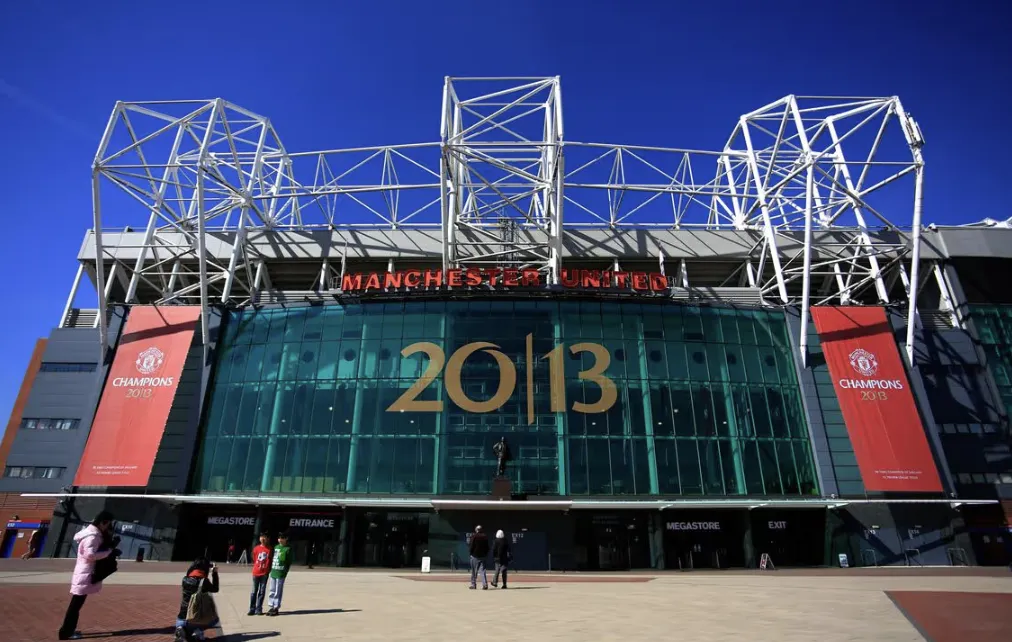
This would not be entirely unprecedented. We’ve seen similar arrangements across the Atlantic in American sports, where corporate naming rights for stadiums are standard practice. However, for a club with Manchester United’s deep-rooted traditions, this represents a delicate balancing act between commercial growth and preserving heritage.
Historical Context of Stadium Naming
Old Trafford has been the home of Manchester United since 1910, surviving bomb damage during World War II and undergoing multiple renovations. The “Theatre of Dreams,” as Sir Bobby Charlton famously called it, has never carried a corporate name. This stands in stark contrast to many modern stadiums, including the Emirates (Arsenal) and Etihad (Manchester City), which embraced naming rights deals years ago.
Football finance expert James Richardson of SportsPro Analytics explains, “Manchester United has always been cautious about touching Old Trafford’s identity. The club generates enormous matchday revenue even without a naming rights deal. But with increasing competition and the need to fund stadium upgrades or a potential new build, the financial logic is becoming harder to ignore.”
The Financial Case for Selling Stadium Naming Rights
Unlocking New Revenue Streams
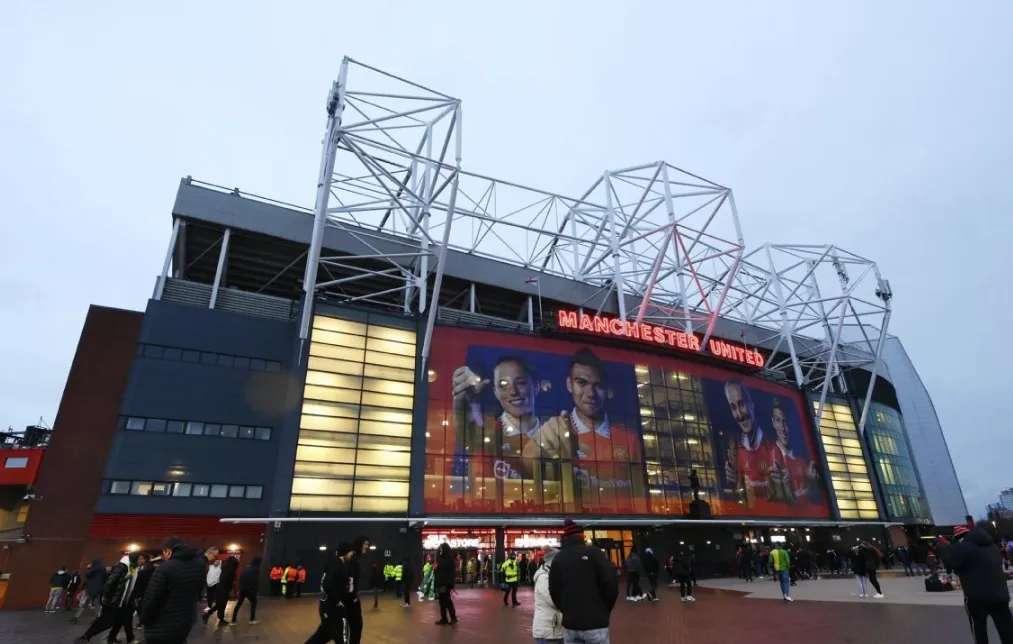
Premier League clubs are under constant pressure to maximize commercial income to comply with Financial Fair Play regulations and compete for top talent. A naming rights deal for Old Trafford could be worth between £15-25 million annually, according to industry estimates. For context, Manchester City’s deal with Etihad is worth approximately £20 million per year, while Arsenal’s arrangement with Emirates brings in around £10 million annually.
“If Snapdragon is willing to pay a premium to combine shirt sponsorship and stadium naming rights, we could be looking at a package deal worth over $300 million over five years,” says Sarah Chen, a sports business analyst at KPMG. “That kind of injection would give Manchester United significant flexibility in the transfer market and infrastructure projects.”
Funding Stadium Renovation or Replacement
One of the most compelling arguments for selling naming rights is the potential to fund much-needed stadium improvements. Old Trafford, while historic, has fallen behind modern standards in several areas. Leaks in the roof, cramped concourses, and outdated facilities have been recurring complaints from fans. The club has explored options ranging from a £200 million renovation to building an entirely new 100,000-seat stadium on adjacent land.
“A naming rights partner could effectively subsidize these massive capital expenditures,” notes Richardson. “Instead of taking on debt or diverting transfer funds, the club could use naming rights revenue to create a world-class facility that generates even more income in the long run.”
Fan Reactions and Cultural Considerations
The Emotional Attachment to Old Trafford
Manchester United supporters have a deep emotional connection to Old Trafford. The stadium is not just a venue; it’s a symbol of the club’s identity, history, and resilience. Renaming it would be a monumental decision, potentially alienating the fanbase that forms the club’s core.
On social media and fan forums, reactions have been mixed. Some supporters argue that clinging to tradition while rivals modernize is a recipe for decline. Others insist that some things should remain sacred, especially a ground that witnessed the Busby Babes, the Class of ’92, and Sir Alex Ferguson’s greatest triumphs.
Balancing Heritage with Progress
The club’s leadership faces a challenging communication task. If a naming rights deal proceeds, they must present it not as selling out but as ensuring Old Trafford’s future. “Manchester United could structure the deal creatively,” suggests Chen. “Perhaps keeping ‘Old Trafford’ in the official name while adding the sponsor’s brand, similar to how ‘St. James’ Park’ remains part of Newcastle’s stadium despite commercial partnerships.”
Baji Live sources indicate that the club is carefully studying fan sentiment through surveys and focus groups before making any definitive moves. The Glazer family and INEOS leadership understand that alienating the fanbase would be counterproductive to long-term commercial goals.
What This Means for the Premier League and Football Business
A Potential Trendsetter
If Manchester United sells Old Trafford’s naming rights, it could trigger a domino effect across the Premier League. Several historic clubs with iconic stadiums—Liverpool’s Anfield, Everton’s Goodison Park (soon to be replaced), and Tottenham’s White Hart Lane (now Tottenham Hotspur Stadium)—have largely resisted corporate naming. A United move would normalize the practice for even the most traditional clubs.
Impact on Matchday Experience and Branding
A renamed stadium would require significant adjustments. The famous “Old Trafford” signage would be replaced, matchday programs and tickets would feature new branding, and the stadium’s identity in global media would shift. However, modern naming rights deals often include provisions for community programming and fan engagement that could offset some of the commercial coldness.
The Future of Old Trafford Under Snapdragon or Another Partner
Timeline and Next Steps
While talks are reportedly in early stages, the club is expected to make a decision within the next 12-18 months. Key factors will include the outcome of ongoing stadium feasibility studies, the club’s financial performance, and the response from major supporter groups.
Alternative Scenarios
It’s possible that Snapdragon’s interest is a negotiating tactic, or that another global brand enters the picture. Manchester United’s commercial team is known for maximizing competition among potential partners. Some analysts suggest that a technology company like Apple or Google could emerge as a surprise bidder, given their interest in live sports broadcasting rights and brand visibility.
Conclusion: Manchester United Shirt Sponsor Open to Buying Stadium Naming Rights – A New Era Beckons
The news that Manchester United shirt sponsor Snapdragon is open to buying stadium naming rights represents a potential watershed moment for one of football’s most storied clubs. While the financial logic is compelling—unlocking hundreds of millions for squad investment and infrastructure—the cultural and emotional stakes are equally high. Old Trafford is more than a stadium; it’s a living monument to the club’s journey from the Munich air disaster to treble-winning glory.
As Manchester United navigates this complex decision, fans must weigh the benefits of modernized facilities against the intangible value of tradition. Whether Old Trafford becomes the “Snapdragon Stadium” or retains its historic name through a creative compromise, this discussion reflects the broader tension between football’s commercial reality and its romantic soul.
What are your thoughts on this potential move? Should Manchester United sell the naming rights to Old Trafford, or are some traditions worth preserving at any cost? Share your opinion in the comments below, and don’t forget to explore our other articles on Premier League finances and stadium developments. The conversation about football’s future starts with passionate voices like yours!
