
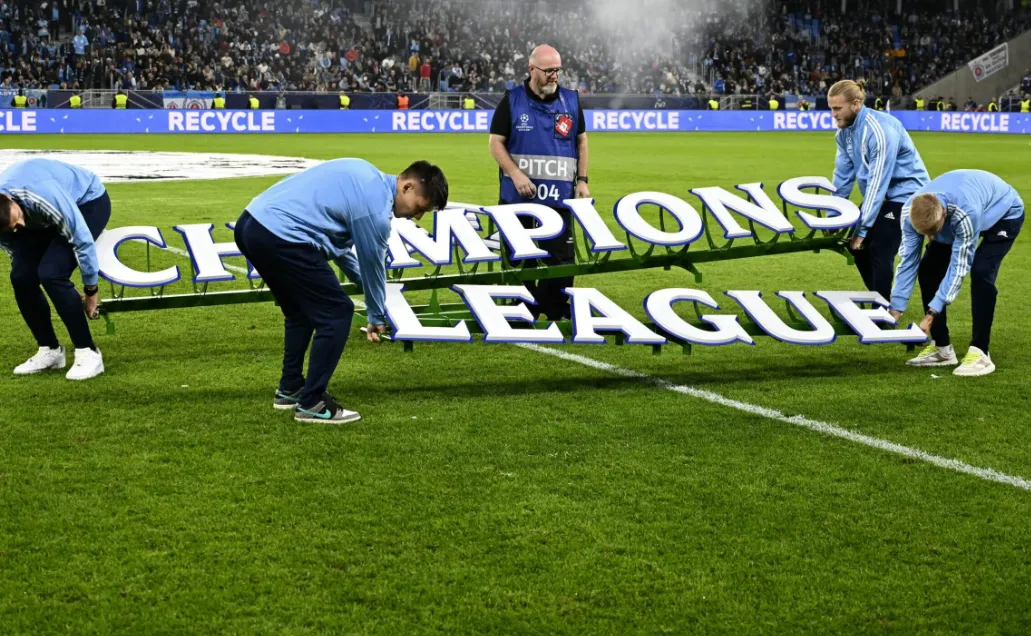
The UEFA Champions League is often hailed as the pinnacle of club football, a stage where Europe’s elite collide in a test of tactical brilliance and nerve. Yet, in recent seasons, a fascinating narrative has emerged: English Premier League teams, despite facing grueling domestic competition, seem to navigate the Champions League group stages and early knockout rounds with increasing ease. At Baji Live, we’ve analyzed this trend, and it’s not just about having a “lucky draw.” There’s a deeper, more structural explanation rooted in the unique demands of English football. This article breaks down the five primary reasons why the European night might actually feel like a relief for Premier League sides.
The Grueling Premier League as a Forging Ground
The most compelling reason is the sheer, relentless intensity of the Premier League itself. There is no “easy game” in England. From the first whistle of the season to the last, every match presents a physical and mental gauntlet. This constant high-pressure environment creates a level of robustness that is unmatched across Europe.
Physical and Mental Fortitude
When a Manchester City or a Liverpool player steps onto the pitch for a Champions League match, they are often coming from a weekend where they had to battle a physical and organized opponent like Everton or Crystal Palace. These domestic fixtures demand constant adaptation to varying tactical setups, from low blocks to aggressive pressing. This daily experience hardens players, making the more tactical, and sometimes slower-paced, nature of a Champions League group game against a mid-tier European side appear comparatively manageable.
Tactical Familiarity and the “Tournament Mentality”
Premier League managers are among the most tactically astute in the world. The league is a melting pot of philosophies, from Pep Guardiola’s positional play to Jürgen Klopp’s gegenpressing and Mikel Arteta’s meticulous structure. This exposure creates a tactical intelligence that is second to none.

Exposure to Diverse Styles
By the time a Premier League team faces a Spanish side known for possession or an Italian team famous for its defensive organization, they have already encountered similar systems multiple times within their own league. A match against a team like Brighton & Hove Albion, who play a sophisticated possession-based game under Roberto De Zerbi, has become a standard preparation for facing a Barcelona or a Borussia Dortmund. This deep tactical library means there are fewer surprises on the European stage.
Superior Squad Depth and Rotation
The financial muscle of the Premier League is well-documented, but it’s not just about spending money; it’s about how that money is spent. The top Premier League clubs can afford to field two or even three different starting lineups capable of competing at a high level.
The Luxury of Rotation
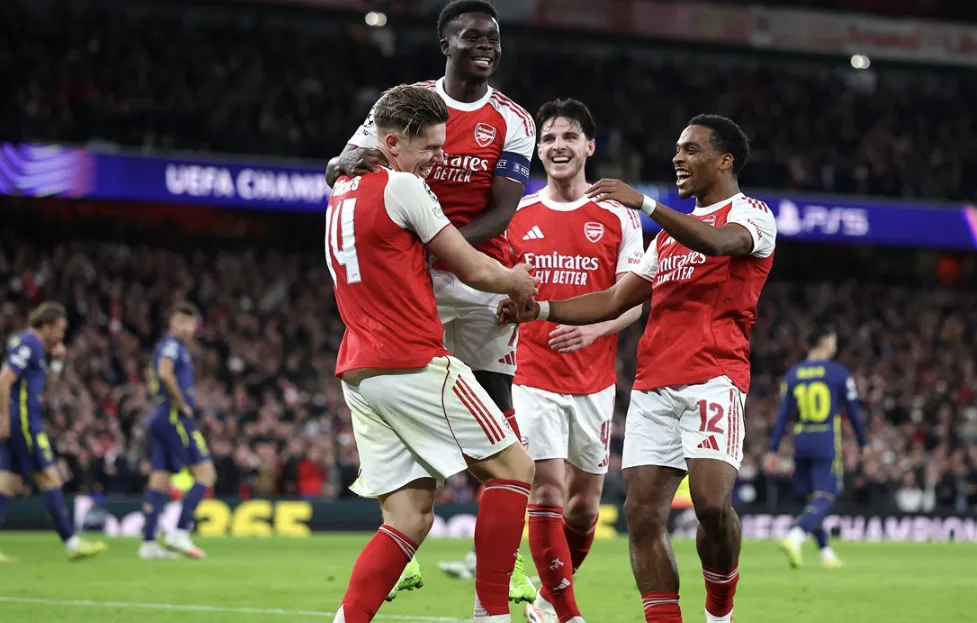
While a team like RB Leipzig might have to rely heavily on its core starting XI, a club like Chelsea, Arsenal, or Manchester United can rotate key players for a midweek Champions League clash without a significant drop in quality. This allows managers to keep their squads fresh for the demanding Premier League run-in. In contrast, many other European leagues have a less competitive field where a few dominant teams can rest players, but the depth required to do that and maintain domestic form is a distinct advantage of the Premier League’s financial ecosystem.
The Financial Advantage and World-Class Talent
The Premier League’s immense broadcasting deals and global commercial appeal have allowed its clubs to hoard world-class talent. This is not a new phenomenon, but the concentration of elite players in English football is now overwhelming.
A Galaxy of Talent
A Premier League team’s squad often features multiple players who would be the star player for any other team in Europe. The “second string” players at a top Premier League club would likely be starters in the Champions League for most other clubs. When a team from England faces a opponent with a weaker bench, the difference in quality becomes glaringly apparent in the latter stages of the game. This depth is a massive competitive advantage, making it easier to overcome challenges that might break a shallower squad.
European Teams Are Not What They Once Were
Finally, there is a cyclical aspect to football. While the Premier League has been on an upward trajectory, some of its traditional European rivals have experienced periods of relative decline.
The Shifting Power Dynamic
The decline of the Italian league in the early 2010s and the recent financial and structural struggles of clubs in Spain and Germany have created a vacuum. Teams like AC Milan, Inter Milan, and Borussia Dortmund are still formidable, but they lack the consistent, top-tier dominance they once had. Furthermore, the competitive balance in other major leagues is often broken. The Bundesliga is dominated by Bayern Munich, and Ligue 1 by Paris Saint-Germain. This lack of internal competition can leave those champions less prepared for the weekly battles that define the Premier League.
Conclusion: The Premier League Advantage is Real
In conclusion, the perception that the Champions League seems easier for Premier League teams is not just a myth; it is a reality backed by multiple structural and historical factors. The relentless physicality of the domestic league forges stronger, more resilient players. The deep tactical experience gained from facing diverse styles weekly provides a critical edge. The unparalleled squad depth, fueled by financial might, allows for crucial rotation, and the global pool of world-class talent is now heavily concentrated in England. Finally, a slight decline in the consistent power of other European giants has shifted the balance of power.
While the Champions League knockout stages still demand elite performance and tactical precision, the path to that stage is often paved by the unique and unforgiving school that is the Premier League. What do you think? Do you agree that the Premier League is making its clubs tougher for Europe? Share your thoughts in the comments below, and be sure to explore more in-depth football analysis right here on Baji Live.
